Compare Local Contractors for Basement Drainage Services
Compare local contractors for basement drainage to define project scope, verify experience, and set clear expectations in writing for a successful upgrade.
Basement drainage services typically involve assessing and improving the systems that manage water around a property’s foundation. This work can include installing or repairing interior and exterior drainage solutions, such as sump pumps, drain tiles, or waterproof barriers. The goal is to prevent water from seeping into the basement, which can cause damage, mold growth, and other issues. Properly designed drainage systems help protect the property’s structural integrity and maintain a dry, stable environment below ground level.
Defining the scope of basement drainage work is essential to ensure that property owners and contractors are aligned on expectations and responsibilities. A clear scope identifies the specific tasks involved, the areas to be addressed, and the type of drainage solutions to be implemented. This clarity helps prevent misunderstandings, ensures the work meets the property’s needs, and provides a basis for any future adjustments or follow-up work. Documenting the scope in writing also creates a record that can be referenced throughout the project, supporting transparency and accountability.
When comparing local contractors for basement drainage services, property owners should focus on experience, reputation, and the range of services offered. It is helpful to inquire about their familiarity with similar projects in the area, as local knowledge can influence the effectiveness of the work. Reviewing their ability to clearly outline the scope of work and provide detailed written proposals can aid in making an informed choice. Additionally, speaking with previous clients or checking references can provide insights into the contractor’s reliability and quality of work, helping property owners find service providers who are well-equipped to meet their specific drainage needs.
Compare local contractors by outlining your project priorities, verifying their experience, and setting clear expectations in writing.
- Compare Contractor Qualifications - review the experience and credentials of local contractors to ensure they meet your project needs.
- Define Project Scope Clearly - establish detailed work descriptions to set expectations and prevent misunderstandings.
- Verify Experience and References - check previous work and seek references to assess a contractor’s reliability and expertise.
- Document Agreements in Writing - ensure all project details, scope, and expectations are documented to protect your interests.
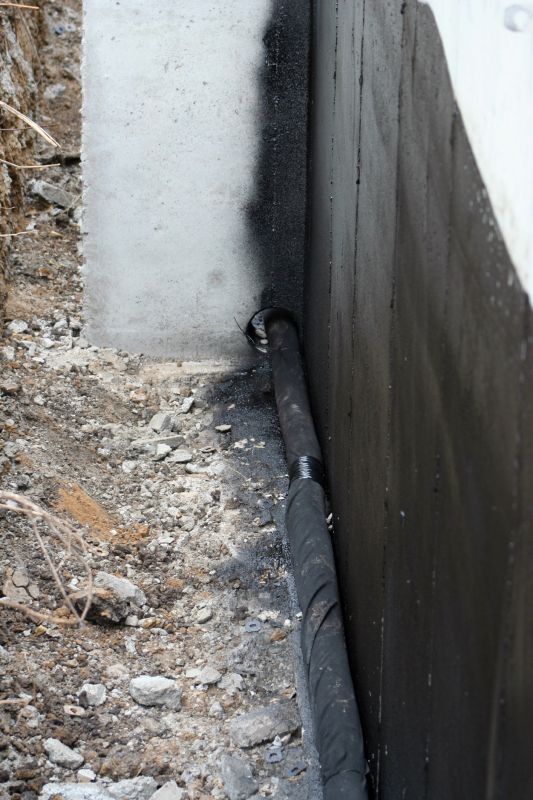
Before comparing local contractors for basement drainage, clearly describe your project scope and verify their experience.
- Verify experience and expertise in basement drainage systems to ensure proper installation and repairs. - Ensure service providers clearly define the scope of work and the methods they will use for drainage solutions.
- Compare different contractors’ qualifications and track records to find those with proven success in basement drainage projects. - Request detailed written estimates that outline the work to be performed and the materials involved.
- Check references or reviews to assess the quality of previous basement drainage services provided by local contractors. - Confirm that contractors assess the specific drainage issues and recommend appropriate solutions tailored to the property.
- Ensure that all project details, including scope, materials, and responsibilities, are documented in a written agreement before work begins. - Clarify any questions about the process or expectations with the service provider during the planning stage.
- Evaluate the communication style and professionalism of potential contractors to ensure clear and reliable interactions throughout the project. - Prioritize service providers who are transparent and responsive during the initial consultation.
Compare local contractors, clarify project scope, verify experience, and set clear expectations in writing.
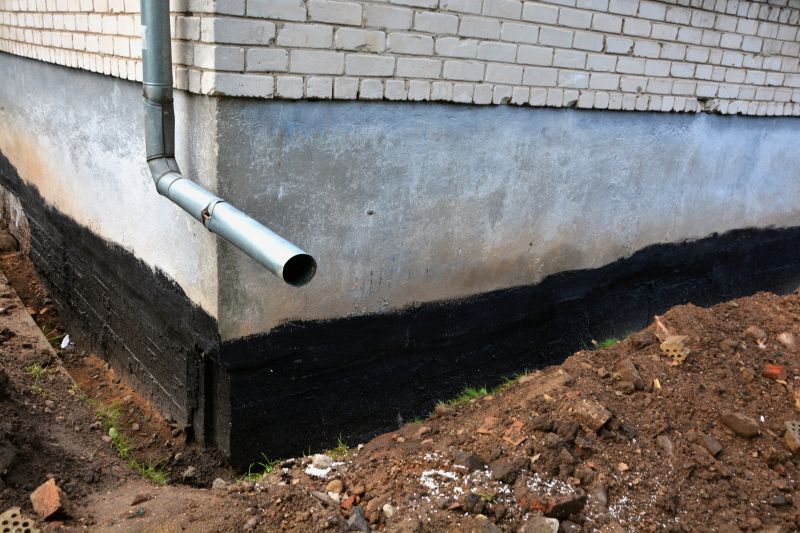
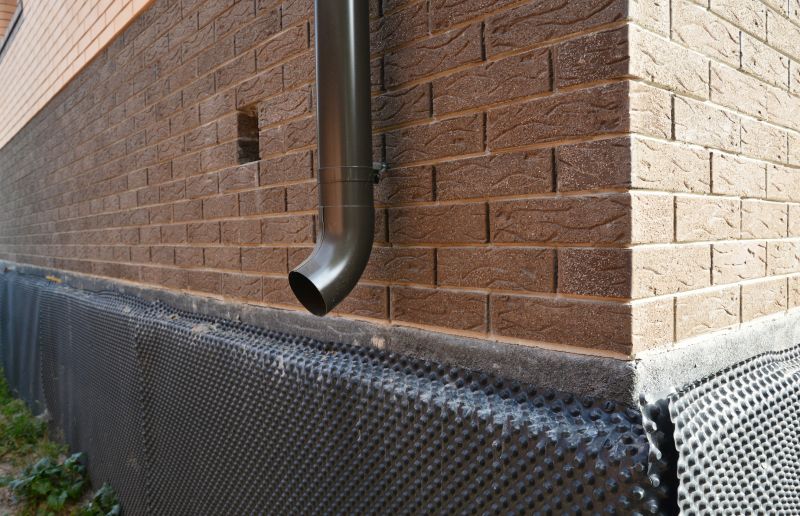
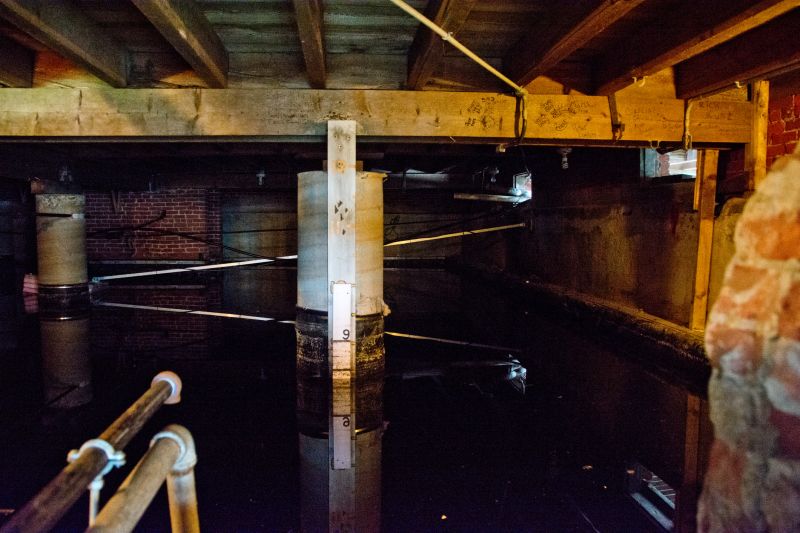
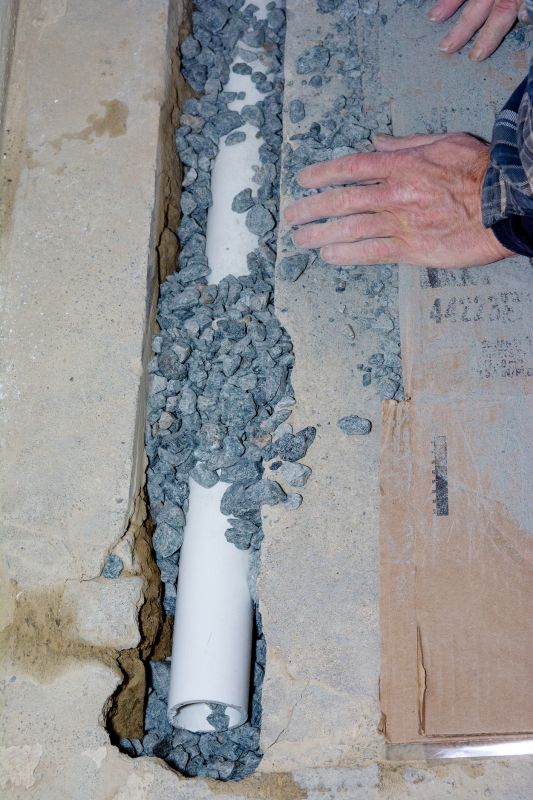
Use consistent criteria to compare local contractors' scope, experience, and written expectations for basement drainage services.
- Scope Definition - Clearly outline the specific drainage issues and the areas of the basement that require attention.
- Experience Verification - Confirm that local contractors have relevant experience with basement drainage systems and similar projects.
- Material and Method Details - Specify the types of drainage systems, materials, and installation methods to be used.
- Work Boundaries - Define the extent of work included, such as excavation, waterproofing, or sump pump installation.
- Written Agreement - Ensure all project details, expectations, and responsibilities are documented in a detailed scope of work.
When comparing contractors for basement drainage services, it’s important to consider their experience with similar projects. Homeowners should inquire about the types of drainage systems they have installed or repaired in the past, especially in situations comparable to their own property. Understanding a contractor’s familiarity with specific challenges-such as soil conditions, foundation types, or existing drainage issues-can help gauge their ability to handle the scope effectively. Service providers with a history of successful work in similar settings are more likely to deliver results that meet expectations.
A clear, written scope of work is essential to ensure that both the homeowner and the contractor have a shared understanding of the project’s objectives. When evaluating options, ask service providers to provide detailed descriptions of the proposed work, including the methods to be used, materials involved, and specific tasks to be completed. Having this information in writing helps prevent misunderstandings and provides a reference point throughout the project, fostering transparency and accountability from the start.
Verification basics are key to assessing the reliability of local contractors. Homeowners should seek information about how long a service provider has been operating in the area, their reputation within the community, and the types of projects they typically handle. Checking references or reviews can provide insights into past performance, while verifying that the contractor has appropriate insurance coverage and proper licensing or registration-if applicable-can add an extra layer of confidence. These steps help ensure that the chosen service provider is established and capable of managing the project responsibly.
When evaluating options for basement drainage services, it’s important to compare the details of each proposal carefully. Focus on understanding the scope of work, the methods proposed, and the materials to be used, rather than just considering cost or availability. Clear written communication and verified experience can help identify service providers who are well-suited to meet the specific needs of the project. This approach supports making an informed decision based on expertise, transparency, and a shared understanding of the work involved.
Ask contractors to provide written descriptions of the scope and expectations to ensure clarity and consistency.
- Experience and References - What experience do the local contractors have with basement drainage projects similar to the scope needed?
- Scope of Work - How do the contractors define and outline the specific services included in their basement drainage solutions?
- Materials and Methods - What drainage systems and materials do the local service providers typically recommend for reliable results?
- Warranty and Guarantees - Are there written warranties or guarantees that cover the scope of work and materials used by the contractors?
- Communication and Expectations - How do the contractors clarify project expectations and ensure understanding before starting work?
How can I compare contractors for basement drainage services? To compare contractors, review their experience, verify references, and examine their scope of work to ensure it aligns with project needs.
What should I consider when defining the scope of a basement drainage project? Clearly outline the specific drainage issues, desired outcomes, and any particular areas needing attention to help contractors understand the project requirements.
How do I verify the experience of a contractor for basement drainage work? Check for references, look into past projects similar to yours, and inquire about their familiarity with the type of drainage system you need.
Why is it important to get written estimates and project details from contractors? Written documentation helps set clear expectations, defines the scope of work, and provides a record of what is agreed upon before the project begins.
What questions should I ask contractors during the selection process? Ask about their experience with similar projects, the methods they use, and how they handle unexpected issues or changes during work.
How can I ensure the contractor understands my basement drainage needs? Communicate your specific concerns and goals clearly, and confirm that the scope of work outlined by the contractor matches your expectations in writing.
Understanding the importance of choosing the right contractors for basement drainage services is key to ensuring the job meets expectations. Visitors have learned how to define the scope of work, verify the experience of local service providers, and set clear expectations in writing. Comparing options through the quote form can help identify the best match for specific project needs, providing a straightforward way to explore local contractor choices.
To move forward, visitors are encouraged to use the quote form to compare different local contractors who can handle basement drainage projects. This process supports making informed decisions by reviewing available options and understanding the scope of services offered. Connecting with qualified service providers through this tool can help facilitate a smooth and transparent project experience.